


The funding was raised through a third-party share issue, with new investment coming from SBI Group, Nomura Real Estate Development, B Dash Ventures, SMBC Edge, and several existing shareholders. The round also includes previously announced backers.
The Series F raise is one of the largest ever for a privately held space company in Japan, lifting Interstellar’s total funding to 44.6 billion yen (around AU$287.7 million) to date.
The round was led by Woven by Toyota, which contributed the bulk of the equity investment, with 14.8 billion yen (AU$95.5 million) raised through preferred shares in what the company described as an “up-round”, meaning it was valued higher than in previous funding.
In addition to equity, Interstellar also secured 5.3 billion yen (AU$34.2 million) in debt financing from financial institutions. This includes 1.8 billion yen ($11.6 million) in loan facilities from the Japan Finance Corporation, featuring stock acquisition rights. Secondary share transactions were also completed with existing investors to streamline the company’s capital structure, with Nomura Securities acting as adviser.
Interstellar is positioning itself as Japan’s leading private space transportation company, with ambitions to build the country’s first vertically integrated space business combining launch services and satellite communications.
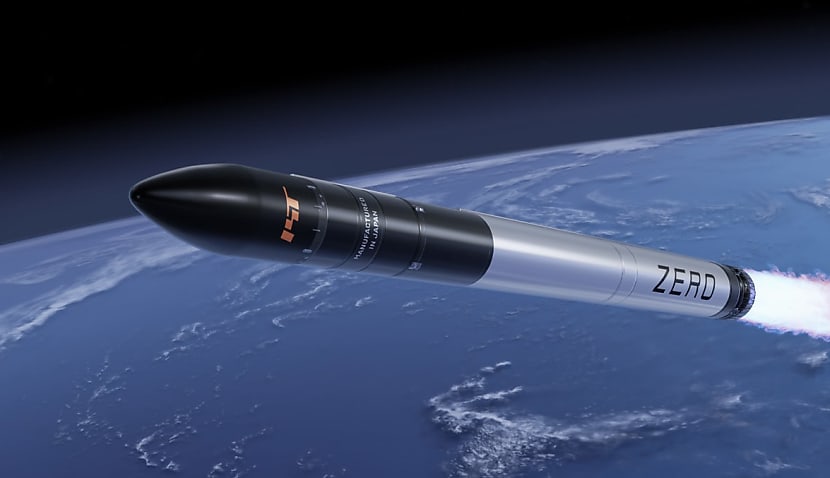
On the launch side, the company is developing an orbital rocket known as Zero, which has been selected for Phase 3 of Japan’s government-backed Small Business Innovation Research program under the Ministry of Education, Culture, Sports, Science and Technology. Interstellar is one of only three companies nationwide to pass the latest stage of the highly competitive process.
For Zero’s maiden orbital launch, seven domestic and international satellites have already been confirmed, with contracts signed with eight companies, organisations and universities, including one customer planning a demonstration of a satellite separation system.
Interstellar has also formed a manufacturing-focused alliance with Toyota Motor Corporation, with Woven by Toyota helping to build a large-scale production system, a longstanding challenge in Japan’s relatively small space industry. The company said this partnership will support high-frequency launches for customers in Japan and overseas.
On the satellite side, Interstellar is focusing on communications satellites, which typically require regular launches and fit neatly with the company’s integrated model of building both rockets and spacecraft. Research and development is being supported by projects from Japan’s Ministry of Internal Affairs and Communications, as well as the Space Strategy Fund administered by the Japan Aerospace Exploration Agency.
The newly raised funds will be used primarily to complete development of the Zero rocket, expand manufacturing capabilities ahead of commercial operations, and accelerate the company’s satellite research and development, laying the groundwork for Interstellar’s push into global space services.
 Want to see more stories from trusted news sources?
Make Space Connect a preferred news source on Google.