


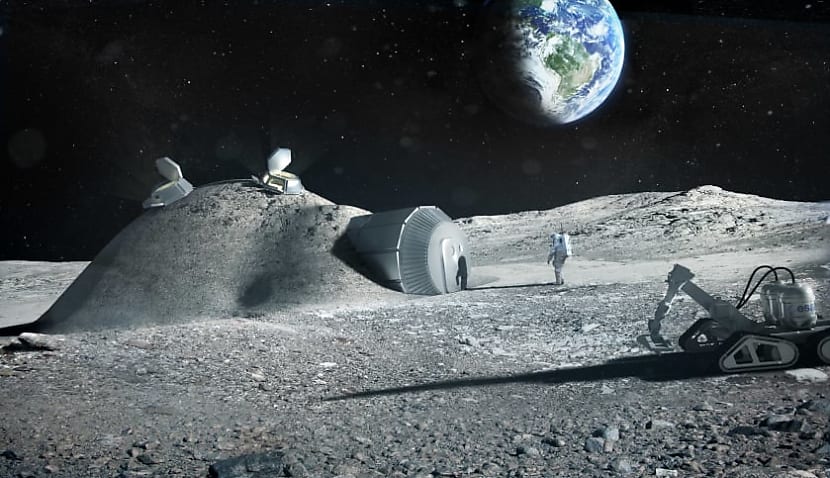
The initiative, formalised through a newly signed memorandum of understanding, will support NASA’s Artemis program and future crewed missions to Mars.
It centres on the development of a fission-based surface power system capable of providing reliable electricity for sustained operations on the moon.
Under the agreement, NASA and the Department of Energy (DOE) will work together on the research, development, fuelling, authorisation and launch preparation of a lunar surface reactor.
The system is intended to generate safe and continuous electrical power for years at a time without the need for refuelling, enabling long-duration missions in environments where solar power is limited by darkness, dust and extreme temperature variation.
NASA administrator Jared Isaacman said nuclear power would be critical to establishing a permanent human presence beyond Earth.
“Under President Trump’s national space policy, America is committed to returning to the moon, building the infrastructure to stay, and making the investments required for the next giant leap to Mars and beyond,” Isaacman said.
“Achieving this future requires harnessing nuclear power. This agreement enables closer collaboration between NASA and the Department of Energy to deliver the capabilities necessary to support the next era of space exploration,” Isaacman added.
The lunar reactor is expected to provide continuous, high-capacity power regardless of sunlight, a key requirement for future surface habitats, scientific installations and industrial activity on the moon.
NASA has previously identified nuclear fission power as a cornerstone technology for both lunar and Martian exploration.
US Secretary of Energy Chris Wright framed the project as part of a broader tradition of American scientific and technological leadership.
“History shows that when American science and innovation come together, from the Manhattan Project to the Apollo program, the United States leads the world to new frontiers,” Secretary Wright said.
“This agreement continues that legacy. Working with NASA and the commercial space sector, this will be one of the most significant technical achievements in the history of nuclear energy and space exploration.”
The collaboration builds on more than five decades of joint work between NASA and the DOE, which has included nuclear propulsion research, radioisotope power systems for deep space missions, and energy technologies linked to national security.
The renewed partnership reflects growing international interest in cislunar infrastructure and the strategic importance of power generation for future space exploration and commerce, as agencies and industry prepare for a sustained human presence on the moon and eventual missions to Mars.
 Want to see more stories from trusted news sources?
Make Space Connect a preferred news source on Google.